The Complete Guide for Foreign Investors Buying Property in France in 2026
Reading time: 11 minutes
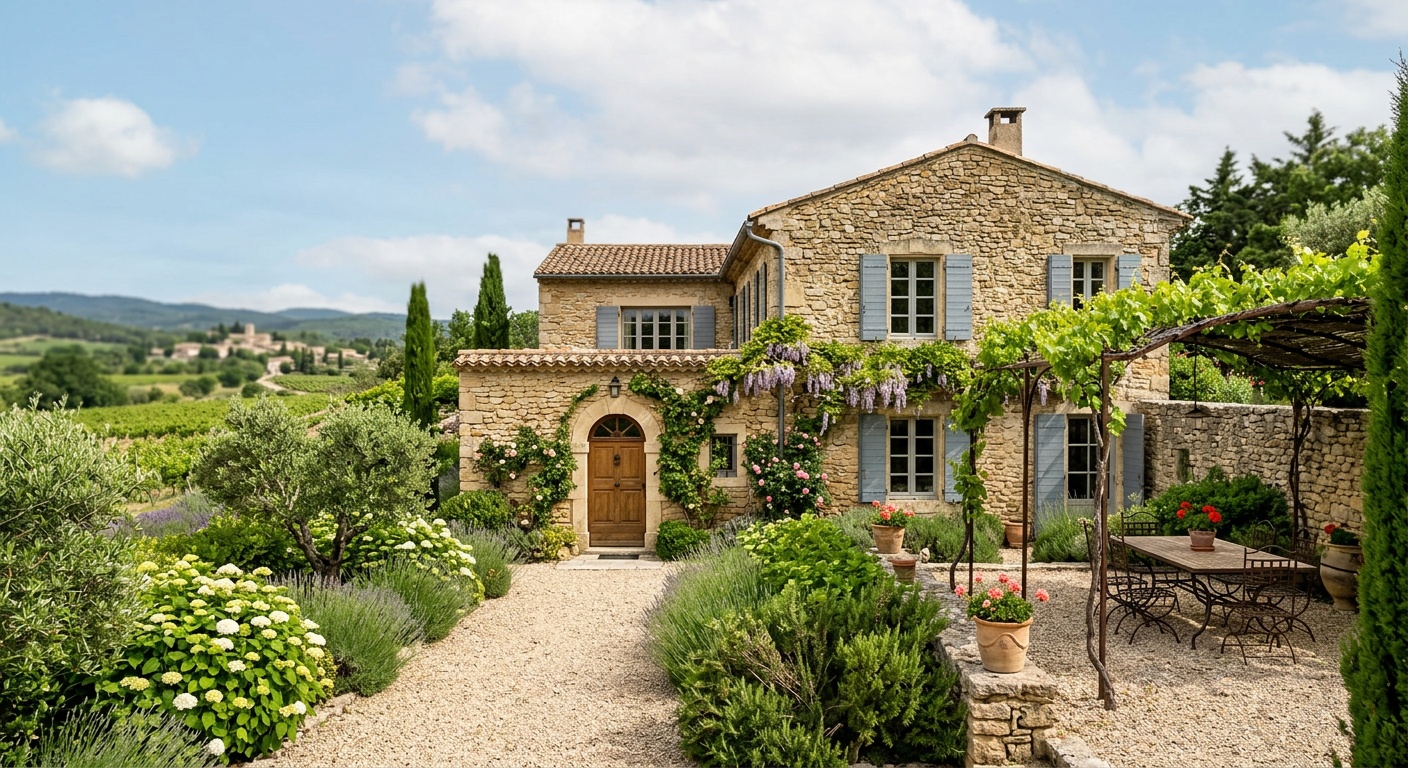
Buying a house in Provence or a Parisian pied-à-terre sounds like a dream—until you’re staring down a stack of French legal documents with terms like “compromis de vente” and “notaire” that mean absolutely nothing to you yet. If you’re a foreign buyer eyeing the French property market in 2026, this guide cuts through the jargon and gives you the real roadmap.
Table of Contents
- Why France Still Attracts Foreign Buyers in 2026
- Understanding the French Buying Process
- The Legal and Tax Landscape
- Financing Your Purchase as a Non-Resident
- Common Challenges (and How to Solve Them)
- Regional Comparison: Where Should You Buy?
- FAQs
- Your Roadmap Forward
Why France Still Attracts Foreign Buyers in 2026
France remains one of the most sought-after property markets in Europe, and 2026 is no exception. According to figures from Notaires de France, foreign buyers accounted for roughly 8.4% of total residential transactions in 2025, with British, American, Belgian, and increasingly Middle Eastern buyers leading the charge. The appeal isn’t just aesthetic—it’s structural. France offers political stability, a robust legal system protecting property rights, and a healthcare and lifestyle package that’s hard to beat.
Here’s the straight talk: France isn’t the cheapest European market anymore, but it’s still one of the most *secure*. Prices in prime Paris arrondissements have plateaued around €10,200/m² in early 2026, while rural regions like the Creuse or parts of Occitanie still offer characterful farmhouses under €150,000.
Who’s Buying, and Why
Take Sarah and Mark, a couple from Toronto who purchased a stone cottage near Uzès in late 2025. Their motivation wasn’t purely lifestyle—it was currency diversification and a hedge against Canadian real estate volatility. Cases like theirs are increasingly common: foreign buyers are treating French property as both a lifestyle investment and a financial strategy.
Understanding the French Buying Process
Unlike in the US or UK, the French buying process is notably structured, almost rigid—but that rigidity actually protects buyers.
The Key Steps
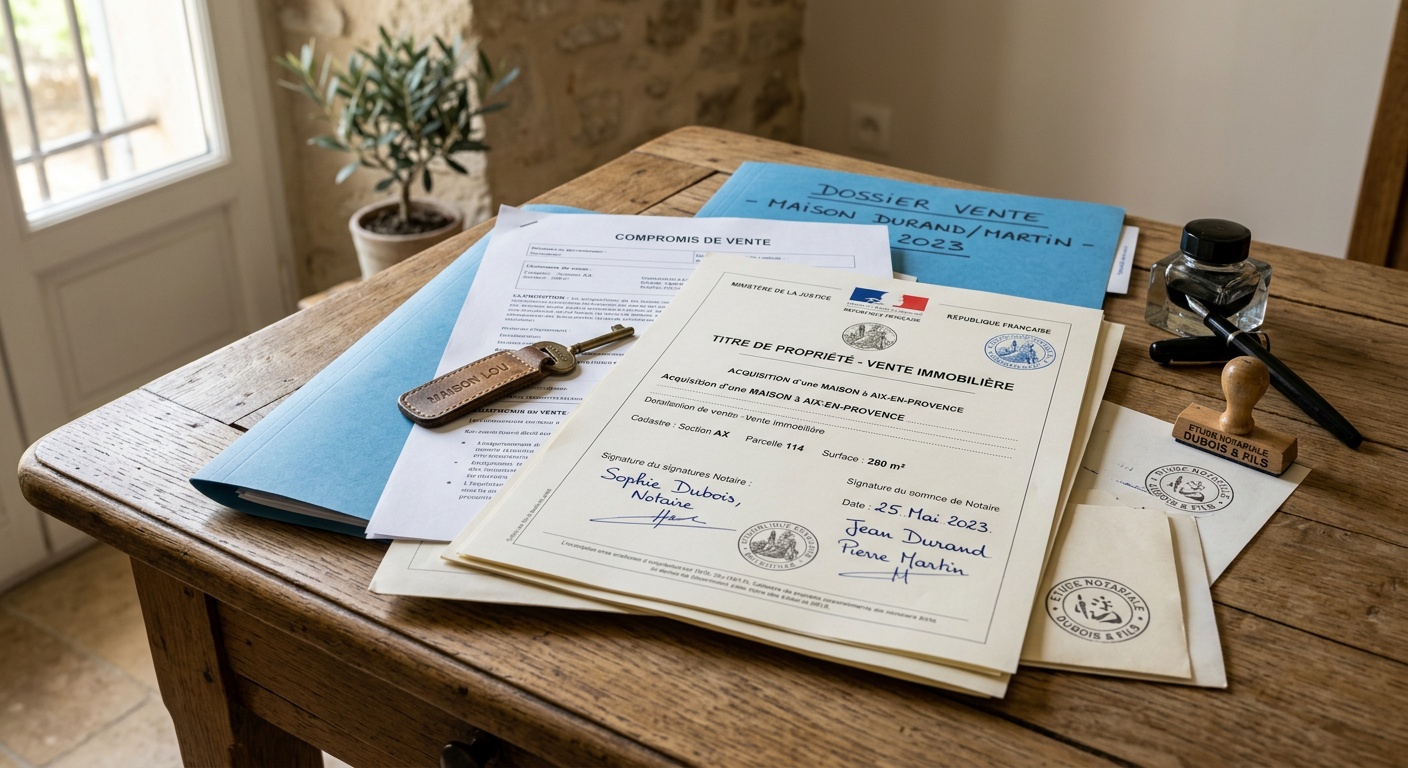
- Offer and Compromis de Vente: Once your offer is accepted, you sign a preliminary contract, usually with a 10-day cooling-off period exclusively for the buyer.
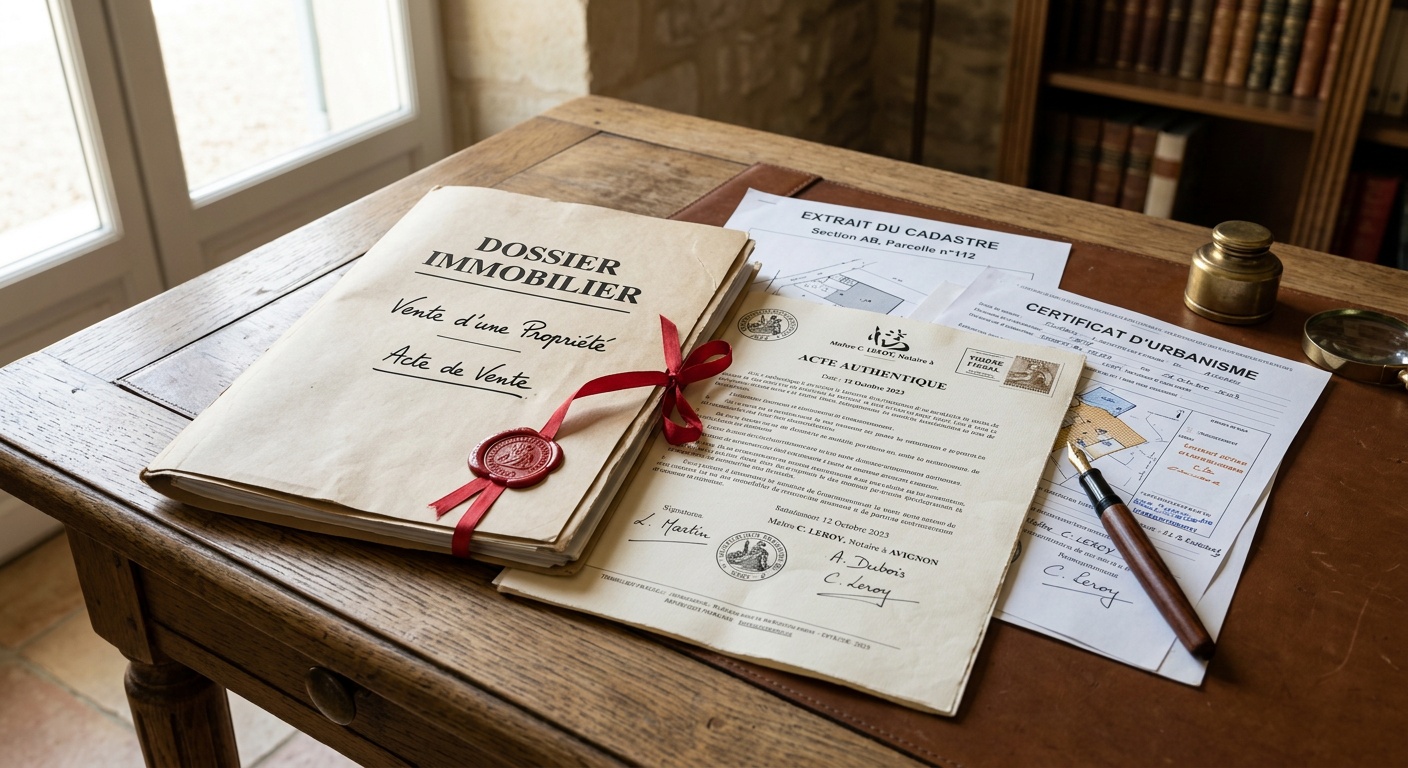
- Notaire Involvement: A notaire (a state-appointed legal officer) handles the transaction—not a lawyer in the Anglo-American sense. They verify title, check for liens, and ensure the sale is legally sound.
- Deposit Payment: Typically 5-10% of the purchase price, held in escrow.
- Acte de Vente: The final deed signing, usually 2-3 months after the compromis, transferring ownership.
Pro Tip
Always hire an independent bilingual lawyer (avocat) in addition to the notaire, especially if you’re unfamiliar with French contract law. The notaire represents the transaction, not specifically your interests—a distinction many foreign buyers miss.
The Legal and Tax Landscape
France’s tax system for property owners can feel labyrinthine, but breaking it into categories helps.
Taxes You’ll Encounter
- Notaire Fees & Registration Taxes: Roughly 7-8% of the purchase price for existing properties, 2-3% for new builds.
- Taxe Foncière: An annual property tax, varying by municipality—expect anywhere from €800 to €4,000+ depending on location and property size.
- Capital Gains Tax: Non-residents pay 19% capital gains tax plus social charges (17.2%, though EU/EEA residents may get partial exemptions), with tapering relief after 5 years of ownership and full exemption after 30 years.
- Wealth Tax (IFI): Applies if your French real estate assets exceed €1.3 million net.
As French tax attorney Isabelle Renard puts it: “Foreign buyers often underestimate the *ongoing* cost of ownership, not just the acquisition cost. Budget for taxes as a percentage of value, every year, not just at purchase.”
Financing Your Purchase as a Non-Resident
Contrary to popular belief, non-residents *can* get French mortgages—but the terms are tighter than for residents.
What to Expect from French Banks
- Loan-to-value ratios typically capped at 50-70% for non-residents (versus up to 80-90% for residents).
- Interest rates in early 2026 hover around 3.4%-3.9% for 15-20 year fixed terms, slightly higher than resident rates.
- Debt-to-income ratio must generally stay under 35%, strictly enforced by French banking regulators (HCSF rules).
Many buyers instead opt for cash purchases or financing through banks in their home country, using foreign assets as collateral, which sidesteps French mortgage bureaucracy entirely.
Common Challenges (and How to Solve Them)
Challenge 1: The Language and Document Barrier
Every legal document is in French, and translations aren’t automatically provided. Solution: budget €500-€1,500 for certified translation services and insist on a bilingual notaire or legal advisor.
Challenge 2: Currency Fluctuation Risk
If you’re paying in USD, GBP, or CAD, exchange rate swings between offer and completion can cost—or save—you thousands. Solution: use a forward contract through a currency broker to lock in your rate at the compromis stage.
Challenge 3: Underestimating Renovation Costs
That charming 18th-century farmhouse often hides expensive surprises—rewiring, roof repairs, or heating system overhauls. Get a “diagnostic technique” report reviewed by an independent surveyor before committing, not just the mandatory legal diagnostics.
Regional Comparison: Where Should You Buy?
| Region | Avg. Price/m² (2026) | Foreign Buyer Appeal | Rental Yield Potential | Best For |
|---|---|---|---|---|
| Paris | €10,200 | Very High | 2.8%-3.5% | Long-term capital growth |
| Provence-Alpes-Côte d’Azur | €5,400 | High | 3.5%-4.2% | Lifestyle & holiday rentals |
| Nouvelle-Aquitaine | €2,900 | Moderate | 4.0%-4.8% | Value-driven buyers |
| Occitanie | €2,300 | Moderate | 4.5%-5.2% | Rural retreats, farmhouses |
| Brittany | €2,650 | Growing | 4.0%-4.6% | Coastal living, quieter pace |
Foreign Buyer Interest by Nationality (2025 Data)
Frequently Asked Questions
Can non-EU citizens buy property in France without restrictions?
Yes. France places no nationality-based restrictions on property ownership. Non-EU citizens, including Americans, Canadians, and Britons post-Brexit, can buy freely. However, owning property does not automatically grant residency rights or a visa.
Do I need to be a French tax resident to buy a home there?
No. You can own property in France while remaining a tax resident elsewhere. You’ll still owe French taxes tied specifically to the property (taxe foncière, capital gains on sale, potential wealth tax), but your global income isn’t taxed by France unless you become a resident.
How long does the entire purchase process typically take?
From accepted offer to final signing, expect 2-4 months on average. Rural properties without complications can close faster; properties with succession issues, boundary disputes, or co-ownership complexities can stretch to 6 months or more.
Your Roadmap Forward
France’s property market in 2026 rewards buyers who prepare thoroughly and move deliberately—not those who rush in emotionally after one perfect weekend in Provence. Here’s your practical next-step checklist:
- Step 1: Secure independent legal counsel (avocat) before signing anything, even a compromis.
- Step 2: Get pre-approved financing or confirm liquid funds, factoring in currency conversion strategy.
- Step 3: Commission an independent building survey beyond the mandatory diagnostics.
- Step 4: Budget realistically for annual ownership costs, not just the purchase price.
- Step 5: Clarify your residency and tax status early, especially if you plan to spend significant time in France.
The broader trend is clear: as remote work and global mobility reshape where people choose to live, France’s blend of legal security, lifestyle quality, and relative affordability outside major cities will keep pulling in foreign capital through 2027 and beyond. The question isn’t really whether France is a good bet—it’s whether you’re ready to navigate its process with the patience it demands. So, are you buying a lifestyle, an investment, or both—and have you built a plan that protects either goal?