Mortgage and Financing Options for Foreign Buyers in France in 2026
Reading time: 9 minutes
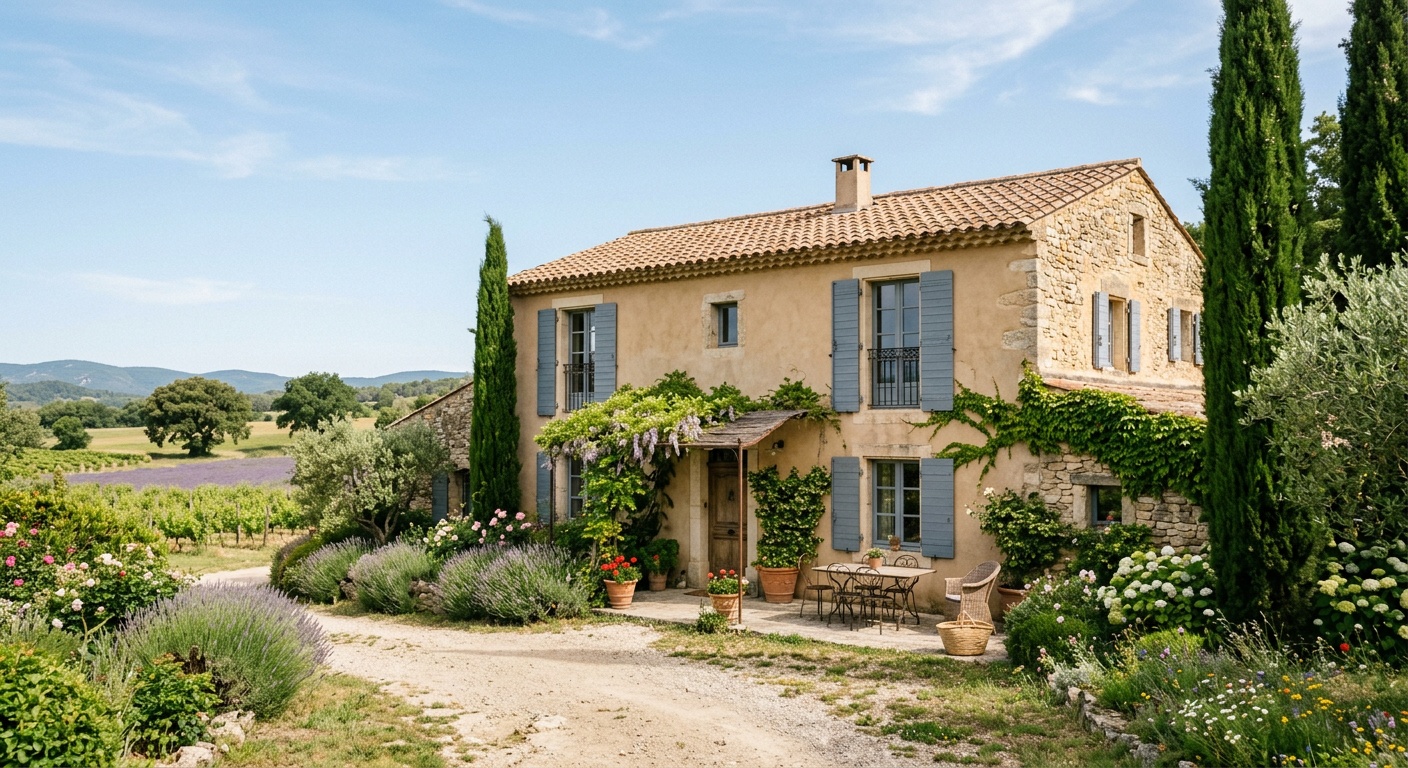
Buying a stone farmhouse in the Dordogne or a sleek apartment near the Promenade des Anglais sounds like a dream—until you hit the financing question. Can a non-resident actually get a French mortgage in 2026? The short answer: yes, but the path is narrower and more paperwork-heavy than most foreign buyers expect.
This guide walks through exactly how French banks assess overseas applicants today, what’s changed since rates started easing in 2025, and how to avoid the mistakes that sink otherwise solid applications.
Table of Contents
- Why France Still Welcomes Foreign Mortgage Applicants
- How French Mortgage Lending Actually Works
- Comparing Your Financing Routes
- Common Roadblocks (and How to Clear Them)
- Case Studies from the 2026 Market
- FAQs
- Your Roadmap Forward
Why France Still Welcomes Foreign Mortgage Applicants
Despite Brexit-era anxieties and tighter EU banking regulation, France remains one of the more accessible European markets for non-resident borrowers. According to figures cited by French mortgage brokers in early 2026, foreign buyers—particularly British, American, and Gulf-based investors—account for roughly 18% of high-value transactions (properties over €500,000) in regions like Provence-Alpes-Côte d’Azur and Paris.
Interest rates have also become friendlier. After peaking near 4.2% in 2023-2024, average 20-year fixed mortgage rates for non-residents have settled around 3.4% to 3.8% in early 2026, according to data from French brokerage networks like Meilleurtaux and CAFPI. That’s still higher than the rates offered to French tax residents, but it’s a meaningful improvement.
“Banks haven’t loosened their underwriting criteria—they’ve just gotten more comfortable pricing risk for non-residents,” notes a Paris-based mortgage broker who works exclusively with international clients. “The applicants who succeed are the ones who come prepared, not the ones who wait for banks to say yes on faith.”
How French Mortgage Lending Actually Works
Unlike in the US or UK, French lenders assess affordability using a strict debt-to-income ceiling rather than a flexible scoring model.
The 35% Debt Ratio Rule
Since regulatory guidance from the Haut Conseil de Stabilité Financière (HCSF) tightened in 2022, French banks generally cap total debt repayments—including the new mortgage—at 35% of gross income. This applies to foreign buyers too, but banks convert foreign income and existing debts into euros using conservative exchange-rate buffers, which can shrink your effective borrowing power by 5-10%.
Residency Status Changes the Math
Non-residents typically face:
- Lower loan-to-value (LTV) ratios—often capped at 70-80% versus 90%+ for residents
- Shorter maximum loan terms (15-20 years instead of 25)
- Mandatory life insurance (assurance décès-invalidité) underwritten in France, which can involve extra medical questionnaires for older applicants
Documentation Banks Actually Want
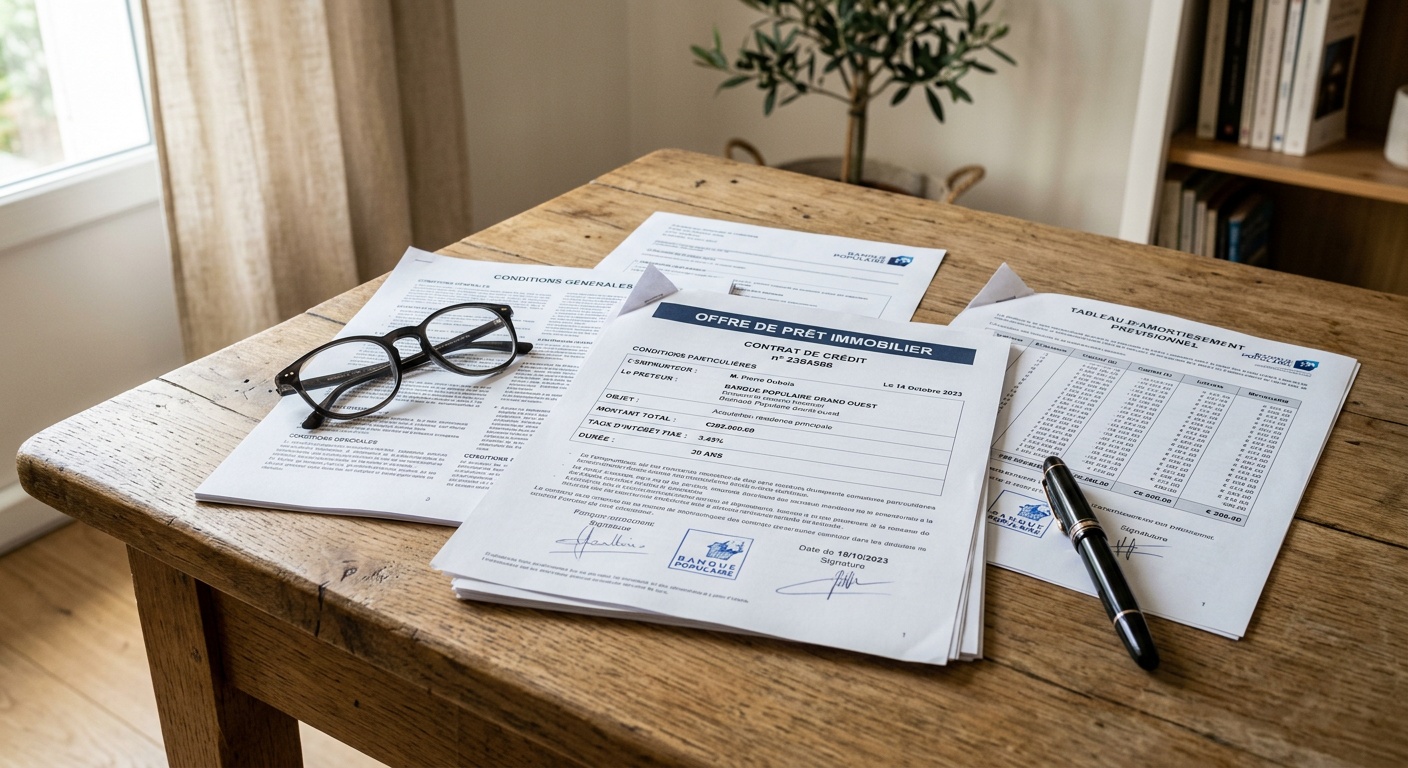
Expect to submit two to three years of tax returns, payslips, bank statements, proof of existing assets, and a detailed breakdown of any rental income if the French property will be let out. Banks based in Paris or Nice with dedicated international desks (BNP Paribas, Crédit Agricole, and HSBC Continental Europe among them) tend to process these files faster than smaller regional banks unfamiliar with foreign tax documents.
Comparing Your Financing Routes
Foreign buyers generally choose between four financing paths. Here’s how they stack up on the metrics that matter most.
| Financing Route | Typical Rate (2026) | Max LTV | Processing Time | Best For |
|---|---|---|---|---|
| French bank (non-resident) | 3.4%-3.8% | 70-80% | 8-14 weeks | Buyers with stable foreign income |
| French bank (EU resident) | 3.1%-3.5% | 85-90% | 6-10 weeks | Relocating professionals |
| International/private bank | 3.8%-4.5% | 60-70% | 4-8 weeks | High-net-worth buyers, faster closings |
| Cash / home-country equity release | Varies (home market rate) | N/A | 2-4 weeks | Buyers avoiding French bank scrutiny |
| Developer/seller financing | 4.0%-5.5% | 50-60% | Negotiable | New-build purchases, niche cases |
Visualizing the Rate Gap
Here’s a simple comparison of average 2026 mortgage rates by borrower profile:
Common Roadblocks (and How to Clear Them)
Roadblock #1: Income That Doesn’t Look “French Enough”
Freelancers and business owners with irregular income streams often get flagged. The fix: work with a courtier (mortgage broker) who packages your financials the way French underwriters expect—smoothing irregular income into an annualized average and highlighting liquid reserves.
Roadblock #2: Currency Risk Nobody Warned You About
If your income is in GBP, USD, or AED but your mortgage is in euros, currency swings can quietly erode your repayment capacity. Some buyers hedge this by taking a portion of financing in their home currency, or by negotiating fixed-rate French loans that remove interest-rate uncertainty entirely, even if the currency exposure remains.
Roadblock #4: Notaire Fees and Hidden Closing Costs
Financing approval is only half the battle—buyers frequently underestimate notaire fees (typically 7-8% of the purchase price for older properties, 2-3% for new builds), which banks won’t finance. Budgeting for this separately from your deposit is essential.
Case Studies from the 2026 Market
Case 1: The Remote-Working American Couple. A couple earning USD income through a US-based LLC purchased a €480,000 apartment in Nice in January 2026. Because their income came through a company rather than personal payslips, three regional banks declined them before a Paris-based international desk approved a 65% LTV loan at 3.7%, using two years of corporate tax filings and a certified accountant’s income letter.
Case 2: The British Retiree Downsizing. Post-Brexit, a retired couple with a UK pension used a private bank rather than a mainstream lender, accepting a lower 55% LTV in exchange for a six-week closing—critical because their onward chain in the UK was time-sensitive.
Case 3: The Gulf-Based Investor. An investor based in Dubai purchasing a rental property in Bordeaux opted for developer financing on a new-build project, avoiding French bank income verification entirely but paying roughly 1.3 percentage points more in interest over the loan term.
FAQs
Can non-EU citizens get a mortgage in France in 2026?
Yes. French banks don’t restrict mortgages by nationality, but non-EU applicants typically face lower LTV caps (often 70% or less), higher scrutiny of income documentation, and mandatory French-based life insurance tied to the loan.
How much deposit do I need as a foreign buyer?
Plan for at least 20-30% of the purchase price as a deposit, plus another 7-8% for notaire fees and closing costs if buying an existing property. High-net-worth buyers using private banks sometimes need 40-50% down.
Is it better to use a French bank or finance through my home country?
It depends on your priorities. French bank loans generally offer better rates and are secured against the French property itself, but processing takes longer and documentation demands are heavier. Home-country equity release or private banking is faster and more flexible but usually costs more in interest.
Your Roadmap Forward
France’s mortgage market for foreign buyers in 2026 rewards preparation over improvisation. If you’re serious about financing a purchase this year, here’s your practical checklist:
- Get pre-assessed early: Talk to a courtier before you fall in love with a property—financing timelines often outlast typical French offer deadlines.
- Organize your paperwork like a French underwriter would: two to three years of tax returns, translated and apostilled where required.
- Budget beyond the deposit: notaire fees, currency conversion costs, and mandatory insurance add up fast.
- Compare at least three lender types: mainstream French bank, international desk, and private bank—rate and LTV differences can be substantial.
- Plan for currency risk: even a strong euro-denominated mortgage can strain a budget if your income currency weakens.
As France’s property market continues attracting international capital amid a broader European trend of cross-border homeownership, the buyers who succeed won’t be the ones with the biggest budgets—they’ll be the ones who understood the system before they needed it. So, where does your financing strategy stand right now, and what’s the first document you need to pull together this week?