Best French Regions for Real Estate Investment in 2026
Reading time: 9 minutes
Thinking about parking your capital in French bricks and mortar this year? You’re weighing the same question thousands of investors are asking right now: where in France actually delivers returns in 2026, not just charm. Paris gets the headlines, but the real money is being made in regions most foreign investors overlook entirely.
Table of Contents
- Why 2026 Is a Pivotal Year for French Property
- Top Regions Ranked by Investment Potential
- Regional Deep Dive: What Makes Each Market Tick
- Yield Comparison Across Key Regions
- Common Challenges and How to Solve Them
- Frequently Asked Questions
- Your Roadmap Forward
Why 2026 Is a Pivotal Year for French Property
Here’s the straight talk: France’s property market has spent the last two years recalibrating after interest rate shocks, and 2026 is shaping up as the year buyers regain the upper hand. According to the Fédération Nationale de l’Immobilier (FNAIM), national transaction volumes rose roughly 6.8% through the first three quarters of 2025, signaling renewed confidence after a sluggish 2023-2024 period. Mortgage rates have stabilized around 3.1%-3.4% for 20-year loans, well below the peak of 4.2% seen in late 2023.
But national averages hide the real story. Paris intra-muros prices have been flat to slightly negative for three consecutive years, while several secondary cities have posted double-digit rental yield growth. The opportunity in 2026 isn’t in the capital—it’s in the regions building their own economic gravity.
The Macro Forces Reshaping Regional Demand
Three forces are quietly redrawing France’s investment map:
- Remote and hybrid work permanence — INSEE data shows over 34% of French professionals now work remotely at least two days weekly, pushing demand toward mid-sized cities with quality of life.
- Infrastructure expansion — new TGV connections and tram extensions in cities like Bordeaux, Nantes, and Montpellier are compressing commute times to Paris and Lyon.
- Tourism resilience — France welcomed a record 102 million international visitors in 2025, sustaining short-term rental demand in coastal and rural heritage zones.
Top Regions Ranked by Investment Potential
Based on rental yield data, price trajectory, and demographic momentum, five regions stand out for 2026:
1. Nouvelle-Aquitaine (Bordeaux and Beyond)
Bordeaux has matured from “next big thing” to established performer, but the smarter money is now flowing to satellite towns like Libourne and Arcachon Bay, where entry prices remain 30-40% below the city center yet benefit from the same TGV connectivity to Paris (just over two hours). Gross rental yields in these secondary markets average 5.2%-6.1%, compared to 3.8% within Bordeaux proper.
2. Occitanie (Toulouse and Montpellier)
Toulouse’s aerospace sector continues absorbing skilled workers—Airbus alone announced 2,400 new regional hires through 2026—creating consistent rental demand near the Blagnac corridor. Montpellier, meanwhile, has become a magnet for younger professionals and international students, with its population growing faster than any other French metropolitan area outside the Paris basin.
3. Brittany (Rennes and the Coastal Belt)
Rennes rarely makes international investment lists, which is precisely why it’s worth attention. A landlord I spoke with, Marc Delacroix, who manages a small portfolio of four apartments near Rennes’ city center, put it bluntly: “I bought here because Paris investors ignored it. Now my occupancy rate has been 98% for three years running, and prices have appreciated 22% since 2022.” Rennes benefits from a strong university population and a one-hour-twenty-minute TGV link to Paris.
4. Auvergne-Rhône-Alpes (Lyon and Annecy)
Lyon remains France’s most balanced large-market bet—diversified economy, strong transport links, and steady 4%-4.5% yields. Annecy, meanwhile, is riding an Alpine lifestyle boom, with vacation rental demand pushing gross yields above 6% in well-located chalet-style properties near the lake.
5. Hauts-de-France (Lille)
Lille is the quiet overachiever. Its proximity to Brussels, London, and Paris (all under 90 minutes by rail) makes it a logistics and business services hub. Entry prices remain among the lowest of any major French city, averaging €2,950 per square meter in 2026 versus over €9,500 in Paris.
Yield Comparison Across Key Regions
The table below compares average gross rental yield, average price per square meter, and projected 2026-2027 price growth across the featured regions.
| Region (City) | Avg. Gross Yield | Price per m² (2026) | Projected Growth 2026-27 |
|---|---|---|---|
| Nouvelle-Aquitaine (Libourne) | 5.2%-6.1% | €2,600 | +4.5% |
| Occitanie (Toulouse) | 4.6% | €3,450 | +3.8% |
| Brittany (Rennes) | 5.0% | €3,200 | +5.1% |
| Auvergne-Rhône-Alpes (Annecy) | 6.0%+ | €5,800 | +3.2% |
| Hauts-de-France (Lille) | 5.5% | €2,950 | +4.0% |
Visualizing Rental Yield Potential
The chart below illustrates average gross rental yields by region, giving you a quick visual read on where cash flow potential is strongest in 2026.
Common Challenges and How to Solve Them
Challenge 1: Navigating the “Loi Climat” Energy Renovation Rules
Since January 2025, France has progressively banned the rental of the worst-performing energy properties (DPE ratings F and G). By 2026, this affects a meaningful share of older housing stock in historic city centers. Solution: Budget renovation costs into your purchase price from day one—typically €15,000-€35,000 for a full energy upgrade—and target properties already rated D or better to avoid compliance headaches entirely.
Challenge 2: Financing as a Non-Resident
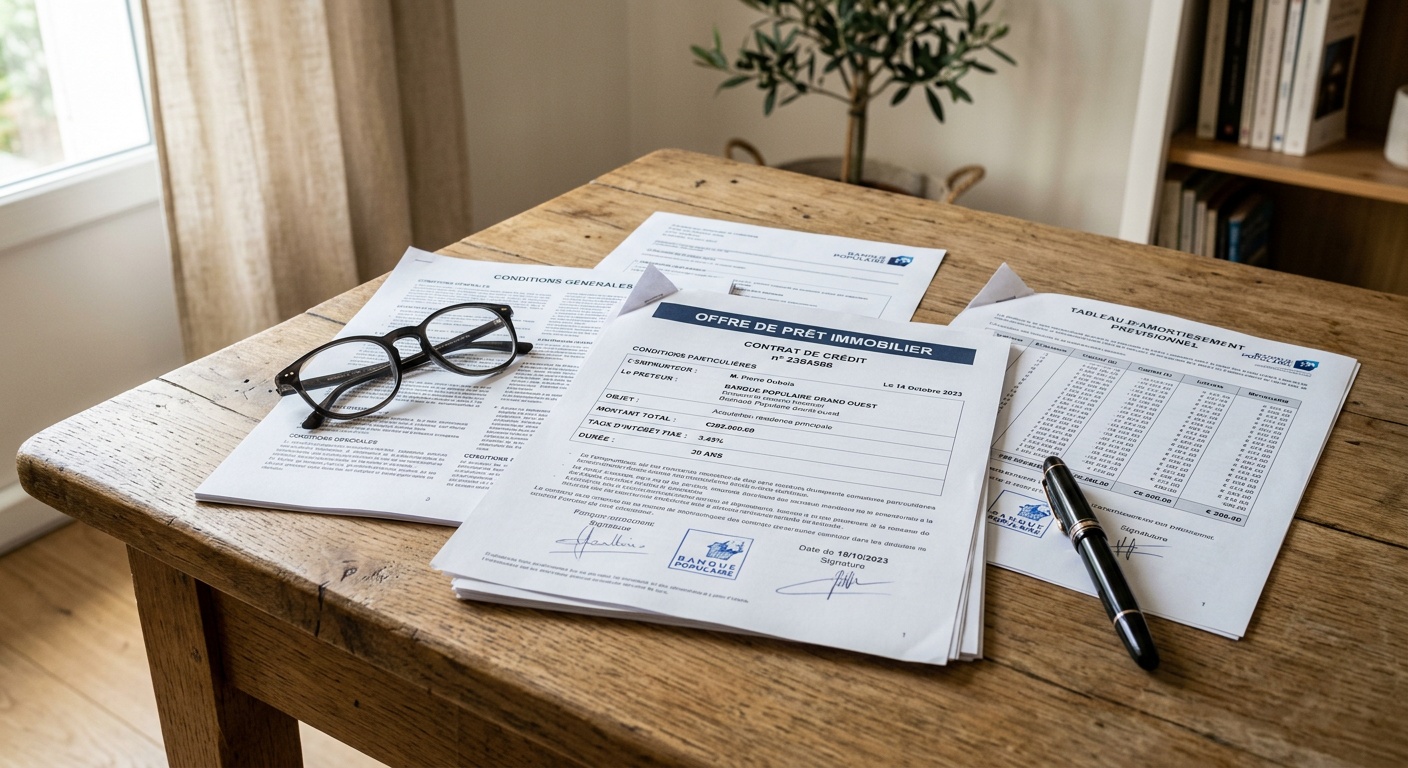
French banks have tightened lending criteria for foreign buyers, often requiring 30% down payments versus 20% for residents. Solution: Work with a courtier (mortgage broker) specializing in non-resident files. Brokers like those at Ptiribes or Cafpi routinely negotiate better terms than buyers can secure independently, and their fee is usually offset by the rate improvement.
Challenge 3: Overestimating Short-Term Rental Income
Many investors assume Airbnb-style yields will match coastal hotspots everywhere. Solution: Check local municipal restrictions first—cities like Bordeaux and Lyon now cap short-term rental days per year for secondary residences. Run realistic occupancy scenarios at 60-65% rather than peak-season numbers before committing capital.
Frequently Asked Questions
Is now really a good time to buy property in France, or should I wait?
Most indicators point to 2026 being favorable for buyers with financing in place. Prices have stabilized in most regions, mortgage rates have eased from their 2023 peak, and sellers are more negotiable than during the frenzied 2019-2021 period. Waiting longer risks missing the current window before rates or prices climb again.
Do I need to be a French resident to invest in real estate there?
No. Non-residents can freely purchase French property, though financing terms are typically stricter and you’ll need a French bank account and tax number (numéro fiscal) to manage rental income and property tax obligations properly.
Which is better for beginners: a major city or a secondary town?
Secondary towns like Rennes, Libourne, or Annecy often offer a gentler entry point—lower purchase prices, higher yields, and less competition from institutional buyers—making them more forgiving for first-time investors than saturated markets like Paris or central Lyon.
Your Roadmap Forward
France’s regional property story in 2026 is really about looking past the obvious. The broader shift toward remote work and infrastructure-driven decentralization isn’t slowing down, and investors who position themselves in well-connected secondary cities now are effectively buying tomorrow’s Bordeaux at today’s prices.
- Step 1: Shortlist two or three regions based on your yield priorities versus appreciation goals.
- Step 2: Secure a broker who specializes in your buyer profile (resident or non-resident) before house-hunting.
- Step 3: Verify DPE energy ratings on every property to avoid renovation surprises.
- Step 4: Visit in person during both peak and off-season if targeting tourist-driven markets.
- Step 5: Model realistic occupancy and financing costs before making an offer.
So, where does your capital actually belong in 2026—chasing prestige in Paris, or building steady returns in the regions quietly outperforming it?